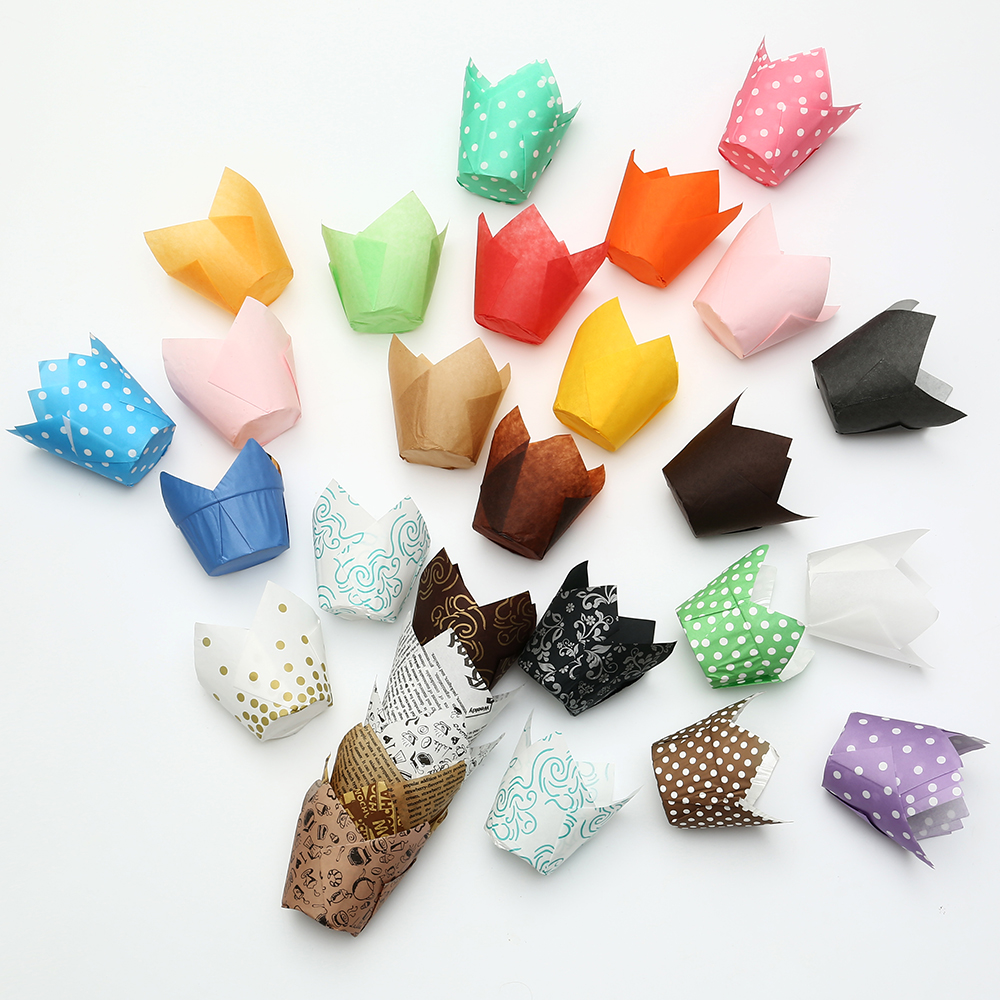
For Amazon sellers, private label brands, and bakery chains, sourcing custom printed cupcake liners from China is the key to massive margins. A plain white liner might cost $0.01, but a custom-printed, foil-stamped liner with your logo can sell for $0.15 or more. That’s a 1400% markup.
However, the path to profit is littered with pitfalls: missed deadlines, customs seizures, printing errors, and downright scams. One bad shipment of private label baking cups can bankrupt a small business.
This is the definitive blueprint for importing baking cups. We will cover the jargon, the contracts, the logistics, and the "insider" secrets that factories don't want you to know. If you’re serious about sourcing packaging from China, read this first.
1. Decoding the Jargon: MOQ, Lead Time, and Plate Fees
Before you send your first email, you must speak the language of the factory.
-
MOQ (Minimum Order Quantity): This is the smallest amount a factory will produce.
-
Plain Liners: Typically 50,000 - 100,000 pieces.
-
Printed Liners: Typically 100,000 - 300,000 pieces. Factories hate changing the printing plates, so they demand high volumes to justify the setup.
-
Digital Printing: A newer option. MOQ can be as low as 5,000 pieces because there are no physical plates. However, the unit cost is 2-3x higher.
-
Lead Time: The total time from deposit payment to port arrival.
-
Production: 15-30 days (depending on complexity).
-
Shipping (Sea): 25-35 days to the US West Coast; 35-45 days to the US East Coast/Europe.
-
Customs Clearance: 3-7 days.
-
Total: Plan for 60-90 days from money out to goods in. Do not believe factories that promise 30-day turnarounds; they are lying to get your deposit.
-
Plate Fees (Cylinder Fees): For custom printing, the factory must engrave your design onto a resin or rubber plate. This is a one-time, non-refundable fee. Expect to pay $50 - $150 per color. If you have a 4-color design, that’s $600 in plates alone.
2. The Printing Process: Flexo vs. Digital vs. Offset
Choosing the right printing method is a trade-off between cost, quality, and quantity.
|
Feature
|
Flexography (Flexo)
|
Digital Printing
|
Offset Printing
|
|
Setup Cost
|
High (Plate Fees)
|
None
|
Very High (Plates & Films)
|
|
Unit Cost
|
Low (Best for bulk)
|
High
|
Medium
|
|
MOQ
|
High (100k+)
|
Low (5k+)
|
Very High (500k+)
|
|
Print Quality
|
Good (Solid colors)
|
Excellent (Photos/Detail)
|
Best (Sharpest lines)
|
|
Durability
|
Excellent (Fade-resistant)
|
Fair (Can fade in sun)
|
Good
|
|
Best For
|
Logos, simple patterns, solid colors
|
Complex art, photos, small batches
|
High-end magazines, not usually cups
|
The Verdict: For custom printed cupcake liners, Flexography is the industry standard. It’s fast, cheap per unit, and the ink is durable enough to survive the oven.
3. The "Golden Sample" and Quality Control (QC)
You’ve paid the deposit. The factory sends you a "Pre-Production Sample" (PPS). It looks perfect. You approve it. Then the container arrives, and half the liners have smeared ink or the wrong Pantone color.
The Solution: The Golden Sample Protocol.
-
Keep the PPS: Once you approve the PPS, the factory should keep the original, and you should keep a signed, dated copy (the "Golden Sample").
-
Third-Party Inspection: Never, ever accept a shipment without a 3rd party inspection (e.g., SGS, TUV, or Bureau Veritas). It costs about $300-$500 but can save you $10,000 in trash stock.
-
The AQL (Acceptable Quality Limit) Standard: Insist on an AQL 2.5 inspection. This means the inspector will randomly sample the batch. If more than 2.5% of the samples are defective (e.g., ink bleeding, wrong size, weak glue), the entire shipment is rejected, and the factory must pay for a re-inspection or refund you.
Common Defects to Watch For:
-
Misregistration: Colors don't line up (looks blurry).
-
Ink Cracking: When you fold the liner, the ink cracks and shows white paper underneath.
-
Grease Bleed: The coating fails the oil test (put a drop of olive oil on the liner and bake it; if it soaks through, it fails).
-
Odor: A strong chemical or "burnt paper" smell indicates low-quality pulp or inks.
4. Customs, Tariffs, and the HS Code Nightmare
Getting your goods through customs is the final hurdle. If you use the wrong code, your shipment will be seized, and you’ll pay massive fines.
-
The HS Code: For paper cupcake liners, the most common code is 4823.69.00 (Other articles of paper or paperboard, including press-spun goods). However, foil-lined cups might fall under 7615.10 (Table, kitchen, or other household articles of aluminum). Always confirm with a licensed customs broker.
-
Tariffs (USA): As of 2024, most paper goods from China face a 25% Section 301 tariff in addition to the base duty (usually around 3-5%). Factor this 25% into your cost! Many new importers forget this and are shocked when the bill arrives.
-
The Lacey Act (USA): If your liners are made from wood pulp, you may need to declare the species of tree and the country of harvest to comply with the Lacey Act (which prohibits illegally harvested timber). This is why FSC certification is so important.
5. Payment Terms: The 30/70 Rule
Never pay 100% upfront. That’s the fastest way to lose your money.
Red Flag: If a supplier refuses the 30/70 split and demands 50/50 or 100% upfront, they are likely a trading company or a scammer.
6. The "Trading Company" vs. "Direct Factory" Dilemma
-
Direct Factory: They own the machines. They offer the lowest price and the most control over quality. However, they often have poor English, slow communication, and minimum order quantities (MOQs) can be very high.
-
Trading Company: They act as middlemen. They charge 10-20% more but offer better communication, consolidation services (combining your liners with other products to save on shipping), and lower MOQs.
The Hybrid Approach: Use a Sourcing Agent. This is a person (not a big company) based in China who works for you. You pay them a flat fee (e.g., $50/day or 3-5% commission). They visit the factories, negotiate on your behalf, and oversee quality control. This is the best way to get factory prices with trading company service.
7. Certifications You MUST Request
Before you pay a single dollar, demand these documents:
-
Certificate of Compliance (CoC): Specifically for FDA (USA) or LFGB (Europe).
-
Heavy Metal Test Report: SGS or Intertek report showing Lead, Cadmium, Mercury levels are below limits.
-
PFAS-Free Declaration: A signed letter from the factory guaranteeing the absence of forever chemicals.
-
FSC Certificate: Proof that the paper comes from responsibly managed forests.
Warning: If the factory sends you a certificate that is 3 years old or doesn't have their company name on it, it's fake. Certificates must be current and specific to the supplier.
8. The "Hidden" Costs of Shipping
Your quote says "$0.02 per liner." Great! But that’s just the EXW (Ex-Works) price. You still have to pay for:
-
Local Trucking: Getting the goods from the factory to the port.
-
Export Customs Clearance: Fees paid to the Chinese government/agent.
-
Ocean Freight: The cost of the boat ride (this has fluctuated wildly post-COVID).
-
Insurance: Usually 0.3% of the cargo value. Always insure your cargo! If the ship sinks, you lose everything without it.
-
Import Customs Clearance: Fees paid to your local agent.
-
Duties & Tariffs: The 25% + base rate.
-
Last-Mile Delivery: Getting the container from the port to your warehouse.
The Rule of Thumb: The final landed cost (all-in cost) is usually 2.5x to 3x the factory price. If the factory price is $1,000, expect to pay $2,500 - $3,000 by the time it’s in your warehouse.
Conclusion: Patience, Paperwork, and Persistence
Sourcing bulk cupcake liners wholesale from China is not a "get rich quick" scheme. It is a complex logistical operation that requires patience, meticulous paperwork, and persistent follow-up.
The rewards are immense: access to custom designs, unbeatable prices, and the ability to build a unique brand identity. But the risks are equally high. By following this blueprint—vetting suppliers, demanding certifications, using third-party inspections, and understanding the true landed cost—you can navigate the complexities of global trade and build a thriving business.
Ready to start your sourcing journey? We’ve vetted the factories, negotiated the prices, and managed the logistics for hundreds of baking brands.